
Nearly one billion people could live with osteoarthritis by 2050, international experts warn
Almost 1 billion people are projected to be living with osteoarthritis by 2050, up from about 600 million in 2023, and there remains no cure and no drug that can stop or slow the disease, according to a new roadmap published in The Lancet.
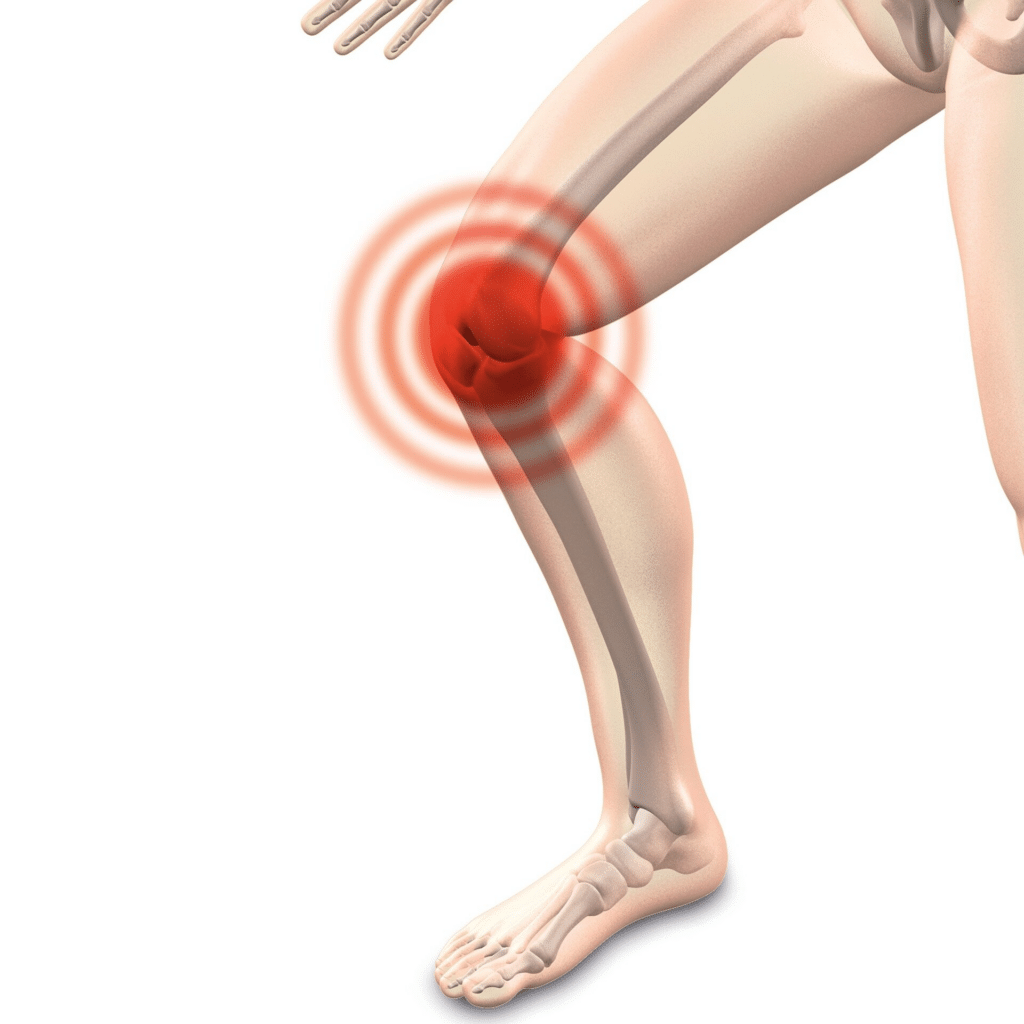
Credit: Pixabay/CC0 Public Domain
by Laura Thomas, Curtin University edited by Swati Mestri, reviewed by Robert Egan, Medcial Xpress October 12, 2026
A Curtin University–led group of international researchers is calling for stronger health policy action to arrest the growing global disability burden.
Released on World Arthritis Day, a new health policy roadmap, published in The Lancet, finds that osteoarthritis remains underrecognized in health policies globally, inadequately integrated into health care delivery for chronic diseases, and inconsistently and often inappropriately treated and prevented. The roadmap sets out three priorities:
- recognize and respond to osteoarthritis through national data on its burden and cost and by writing musculoskeletal health into national policy;
- scale up high-quality, affordable, person-centered care, including by integrating osteoarthritis into primary and chronic disease care and changing how the condition is talked about; and
- slow its growth by targeting excess body weight and joint injury, including workplace and sports-related injuries.
| Bringing osteoarthritis into chronic disease care |
Lead author Professor Andrew Briggs from Curtin University’s School of Allied Health said that health systems internationally are not primed to prevent and manage the rising burden of osteoarthritis, particularly in low- and middle-income settings.
“Osteoarthritis faces an image problem—it’s perceived and dismissed in communities as an unavoidable part of aging with limited management options, it is not integrated into service models for chronic diseases, and it remains largely invisible in national health policies,” Briggs said.
“The scale of the burden of osteoarthritis demands a health policy response that recognizes and measures the burden, integrates osteoarthritis care with other conditions, and targets prevention through excess body weight and joint injury control measures.
“Community beliefs around osteoarthritis also need to shift from a narrative that it’s an older person’s condition and nothing can be done to a narrative that empowers people to manage their symptoms and maintain their valued life activities.”
Co-senior author Professor Lyn March from the Kolling Institute and Global Alliance for Musculoskeletal Health said the growing burden of osteoarthritis needed to be matched by better recognition and surveillance of the condition across health systems.
“The global disability burden attributed to osteoarthritis has increased by 65% between 1990 and 2023—one of the largest increases among the more than 350 different conditions tracked in the Global Burden of Disease study,” March said.
“We need health systems to recognize osteoarthritis as a major chronic disease. This means efforts to measure the burden and communicate that burden to policymakers so that care models can be scaled up, allowing people to access evidence-based care that is affordable and appropriate for their individual needs, irrespective of where they live.”
| Moving beyond low-value treatments |
Co-senior author Professor David Hunter from the University of Sydney said there was a significant opportunity to shift osteoarthritis care away from low-value treatments and toward prevention, early intervention and approaches that help people live well with the condition.
“This starts with reframing how people think about and respond to osteoarthritis. Descriptions like ‘bone on bone’ or ‘wear and tear’ are outdated and often drive disengagement in care. Instead, reframing osteoarthritis symptoms as not inevitably progressive and as modifiable can better support people to participate in their care,” Hunter said.
“Although there are currently no disease-modifying drugs for osteoarthritis, we do know there are effective ways to help people manage osteoarthritis, but too many people are still receiving care that does not reflect the best available evidence.”
| Weight and injuries offer prevention opportunities |
The researchers warn rising obesity rates, population aging and increasing numbers of joint injuries are projected to drive a further surge in osteoarthritis cases in coming decades.
Briggs said excess body weight and joint injuries, particularly anterior cruciate ligament injuries in Australia, were among the clearest opportunities to reduce the future burden of osteoarthritis.
“We know that excess body weight and joint injuries are two of the clearest modifiable risk factors for knee osteoarthritis, which means there is a real opportunity to reduce the future burden of disease with appropriately targeted policy measures,” Briggs said.
“Supporting healthy weight, preventing joint injuries in young people, and improving access to evidence-based care could make a real difference to the number of people living with osteoarthritis in the future.”
The paper also highlights significant gaps in osteoarthritis care in Australia, with the Australian CareTrack study finding only 43% of osteoarthritis care encounters met best-practice standards in 2009–10.
| Pain reshapes daily life |
Professor George Milne from the University of Western Australia, who has lived experience of osteoarthritis, said the condition can have a big impact on everyday life.
“Living with osteoarthritis changes more than just your joints. It can change what you do, where you go and how you think about your future,” Milne said.
“There are days when something as simple as walking, exercising or doing the things you normally enjoy can become much harder because of pain.
“What I would want people to understand is that osteoarthritis is not just a normal part of getting older that you should have to accept. People living with it need to feel heard, supported and confident that there are things they can do to manage their condition.”
Louise Hardy, CEO of Arthritis Australia, said people living with osteoarthritis needed better information and support to understand their condition and make informed decisions about their care.
“For too long, people living with osteoarthritis have been told to simply put up with the pain or accept that their condition is an unavoidable part of aging,” Hardy said.
“This roadmap is an important reminder that osteoarthritis needs to be taken seriously as a major health issue, both in Australia and around the world, and that there is much more we can do to address symptoms and help people live better with OA.”
| The economic cost of inaction |
Briggs said osteoarthritis had become “hidden in plain sight” despite its enormous impact on individuals, health systems and economies, accounting for around 1%–2.5% of GDP.
“That mindset needs to change if we’re serious about tackling a condition that is affecting hundreds of millions of people and is on track to affect almost 1 billion by 2050.”
The paper outlines a global health policy roadmap calling on governments to recognize osteoarthritis as a major chronic disease, improve access to evidence-based care, invest in prevention, and integrate osteoarthritis care with broader chronic disease and rehabilitation services.
The international team included experts from 18 countries across Australia, Europe, Asia, Africa and the Americas.
 Source Curtin University via Medical Xpress
| References |
Briggs A, Bowden J, Risberg M et al. Strengthening health systems to prioritise, provide care, and prevent osteoarthritis: a roadmap for global health policy, The Lancet, 2026; 0
Also see
1 billion people worldwide will suffer from arthritis by 2050 Medical Xpress
Study reveals a persistently high burden of osteoarthritis across the globe Medical Xpress