In their own words: the frustration, stigma and emotion of walking with MS A major Murdoch University review has found that for many people with multiple … READ MORE

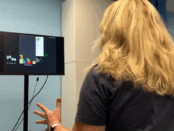
Researchers want to know how people with multiple sclerosis might be helped by playing Tetris Researchers are looking for people with multiple sclerosis to be a part of the … READ MORE
Stimulating hypothalamus restores walking in paralyzed patients The discovery that an unexpected brain region is crucial for walking recovery in … READ MORE
Early multiple sclerosis treatment may lead to less disability Starting treatment for multiple sclerosis soon after first experiencing symptoms of … READ MORE
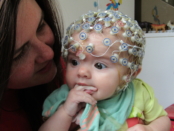
Babies as young as four months show signs of self-awareness – study Baby wearing EEG cap for the study. Pictured with parent. University of Birmingham. … READ MORE
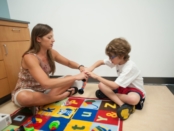
Therapy framework reveals promise for intensive pediatric rehabilitation for children with motor disabilities A Fralin Biomedical Research Institute study in Behavioral Sciences highlights … READ MORE
Bedside prognostic tool identifies infants at risk for Cerebral palsy This case-control study evaluates a cerebral palsy prognostic tool that can be … READ MORE
Study finds programme to prevent cerebral palsy in premature babies is effective A programme to increase the use of magnesium sulfate, a £1 injection that helps … READ MORE
March is Cerebral Palsy Awareness Month March is a time to bring awareness to cerebral palsy but also a time to support and … READ MORE
Tips on how to prevent dementia as we grow older Aging is inevitable, but there are ways to improve our ‘health span’ and prevent … READ MORE
Alzheimer’s might not be primarily a brain disease. A new theory suggests it’s an autoimmune condition The pursuit of a cure for Alzheimer’s disease is becoming an increasingly … READ MORE
Brain implants and wearables let paralyzed people move again A “neural bypass” routes signals around the damaged spinal cord, potentially … READ MORE
A smart jumpsuit tracks infants’ motor development A smart jumpsuit measures the spontaneous and voluntary movement of infants. Details … READ MORE
Long-term positive impacts and cost effectiveness of REACT for over 65s The ‘REtirement in ACTion’ programme helps prevent physical decline, reduces the … READ MORE
Siblings of children with disabilities may have greater cognitive empathy Children who had a sibling with a developmental disorder scored higher in cognitive … READ MORE
Older people in good shape have fitter brains Seventy- to eighty-year-olds who train for better fitness are better at solving … READ MORE
Earlier intervention in Down syndrome may be possible Study shows oxidative stress occurs in people with Down syndrome at the cellular … READ MORE
New approach provides potential vaccine and treatment for Alzheimer’s A promising new approach to potentially treat Alzheimer’s disease – and also … READ MORE
New study clarifies sensory processing in autistic children Results of a recent study on sensory abilities in autistic children may have … READ MORE
Large dose of intensive therapy better for children with Cerebral palsy Children with cerebral palsy can gain greater use of an impaired arm and hand with … READ MORE
Gene therapy shows early promise as Angelman syndrome treatment Scientists at the UNC School of Medicine have reported in the journal JCI Insight … READ MORE
Contrary to the common view, cerebral palsy can be genetic One mother of an adult child with CP told us that his genetic diagnosis absolved her … READ MORE
New treatment to regain hand and arm function after spinal cord injury Using physical therapy combined with a noninvasive method of stimulating nerve cells … READ MORE
New non-invasive technology could spot early signs of motor disorders in babies Imperial College London scientists have created the world’s first non-invasive way … READ MORE
Differences in walking patterns could predict type of cognitive decline in older adults Canadian researchers are the first to study how different patterns in the way older … READ MORE
Canadian innovators use video games to help children with neuro-development disabilities Dino Island improves attention and executive function in children with … READ MORE
Bluetooth – a technology with bite Those familiar with this young column know that “the machine” represents the … READ MORE
A next-gen EEG could help bring back lost brain function SLAC and Stanford researchers are developing a device that combines electrical brain … READ MORE
FDA approves new drug to treat common form of muscular dystrophy based on research from U of A scientist Created using synthetic DNA, viltolarsen is an excellent example of precision … READ MORE
Changes in older people’s central nervous system leads to compromised ability to sense movement The central nervous system of older individuals responds to movement and initiates … READ MORE